

Photo of Peter A. Mahler

Peter A. Mahler is a litigator focusing on business divorce cases involving dissolution and other disputes among co-­owners of closely held business entities, such as limited liability companies, corporations, and partnerships. Peter represents both control and non-control owners, often involving family-owned businesses. Frequently counseling business owners prior to litigation, he advises them of their rights and also assists in designing and negotiating an amicable separation between parties. Peter’s counsel helps avoid litigation by means of a buy-out, sale, or division of business assets.


This week’s NYBD presents the 16th annual edition of Summer Shorts offering brief commentary on three recent decisions involving disputes among LLC members. 

Continue Reading Summer Shorts: Judicial Dissolution Meets the Dead Man’s Statute, and Other Recent Decisions of Interest

Consider the case of the LLC member who failed to meet a capital call and consequently was forced to sell its minority LLC interest valued by the managing member at $1.7 million, to the managing member in exchange for a non-recourse promissory note with no maturity date and no payments unless the former interest generates after-tax distributions, of which there were none to date. Found out how the courts ruled in this week’s NYBD post. 

Continue Reading Wait a Minute! Just Because I Failed to Meet a Lousy Capital Call, You Took My Membership Interest That You Valued at $1.7 Million and Paid Me Nothing?

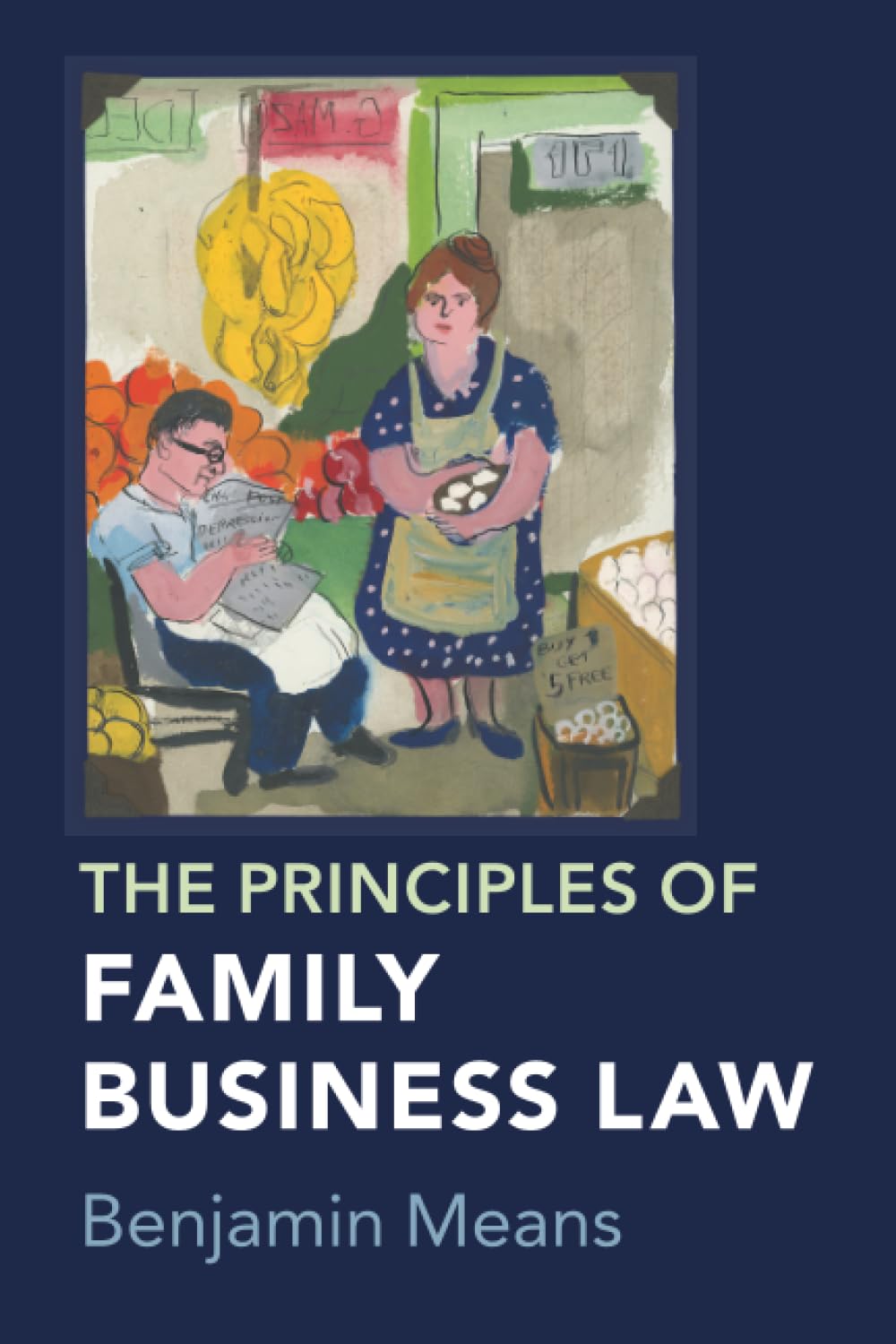
Family-owned businesses grab more than their fair share of business divorce matters. In his new book called The Principles of Family Business Law, Professor Benjamin Means examines the uncomfortable fit between, on the one hand, standard economic theory and law based on the “rational actor” seeking to maximize wealth and, on the other hand, the idiosyncratic dynamics of family-owned firms.

Continue Reading A New Framework for the Family Business Enterprise: A Review of Benjamin Means’ “The Principles of Family Business Law”